

Your English is good BUT…it's not CAAPID good.
There's a specific way American dentists communicate.
We teach it.
You speak English. You know your clinical work. But you also know — deep down — that the CAAPID interview will test something your prep courses didn't teach you.
That's the cultural gap. The way American dentists actually communicate. The register shift. The phrasing patterns. The interview presence that lands.
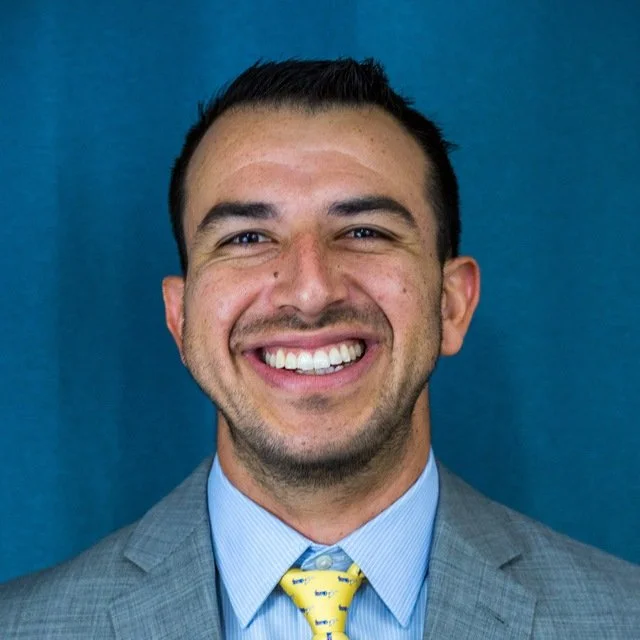
I'm Carlin. RDH, 13 years inside American operatories. Bilingual. CELTA-certified. I built the American Dental Fluency method because I watched smart dentists from Latin America fail CAAPID not from lack of English, but from not knowing how American clinical communication actually works.
The method has four layers. This is the first one: CAAPID Interview Mastery. Four weeks. Eight sessions. $1,997. You'll walk into your real interview knowing exactly what they're looking for.
The gap nobody talks about
Foreign-trained dentists don't fail CAAPID because their English is poor. They fail because nobody taught them how American dental communication actually works.
Surface English is not clinical fluency. The structure of your answers, your pronunciation under pressure, your clinical register, your ability to handle curveball questions — these are skills. Teachable skills. That's the gap Dentalengua fills.
American Dental FluencY
a four-layer framework methodology
CAAPID Interview Mastery
The specific structure, vocabulary, and presence that dental school interviewers score. Most candidates miss this entirely.
Clinical Communication
How to present treatment plans, obtain informed consent, and manage patient anxiety in the American clinical register.
Professional Integration
How to work with hygienists, insurance reps, and colleagues the American way. The social-professional code nobody teaches.
Patient Cultural Bridging
How to serve your Hispanic patients with the cultural authenticity they expect, while operating inside American clinical workflow.